
Categories
Investment, Home ValuePublished August 6, 2026
Why Builders May Be Looking at Your Richmond Property Differently

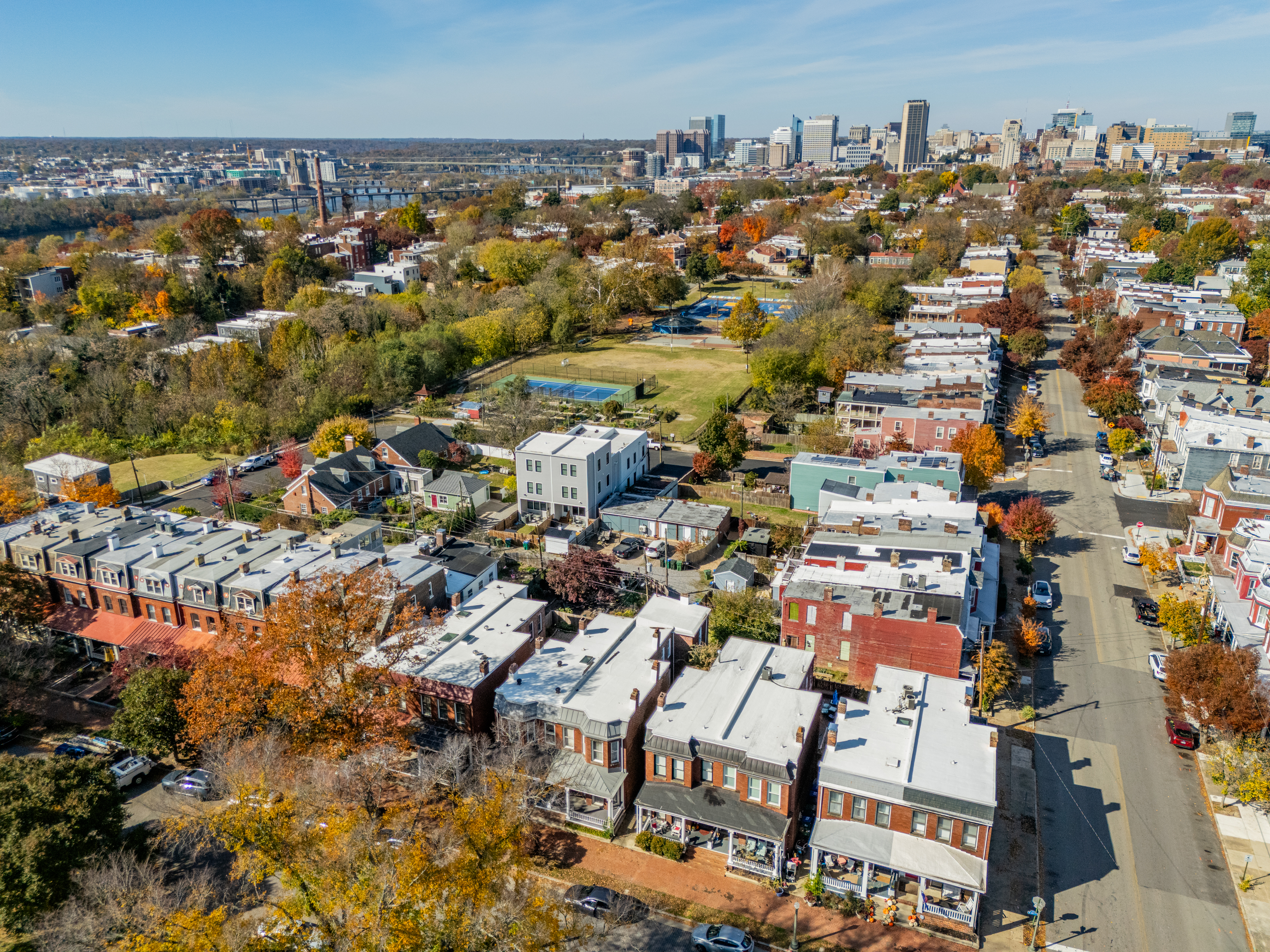
UPDATED SEPTEMBER 2026: Richmond released Draft Three of Code Refresh on August 17, giving us a clearer picture of how the City is thinking about future development. The newest proposal places greater emphasis on growth around major transit corridors and nodes while adding increased minimum lot widths, contextual height standards, and tree canopy requirements. Code Refresh is still a proposal, but these changes give homeowners more context for understanding why one Richmond property may look very different to a builder than another.
In This Series
Part 1: Richmond Code Refresh Draft Three *Updated Sept 2026
Part 2: Could Your Backyard Become a Source of Income?
Part 3: Could You Split Your Lot in Richmond?
You're Here: Part 4
If you've owned a home in Richmond for more than a few years, there's a good chance you've received one of those letters.
"We're interested in buying your property."
Maybe it came in the mail. Maybe someone knocked on your door. Maybe you've wondered why investors or builders seem interested in your home when you weren't even thinking about selling.
Most homeowners assume they're interested in the house.
Sometimes they are.
But sometimes they're looking at something else entirely.
They're looking at the land.
As Richmond continues to grow and the City rethinks how future development should happen, there are more reasons for homeowners to understand how someone evaluating land might look at their property. That doesn't mean every house is suddenly a redevelopment opportunity, but it does mean some properties have characteristics that make them stand out in ways homeowners may not realize.
Before we dive in, we recommend reading Richmond Code Refresh Draft Three, which explains the city's proposed zoning rewrite and why it's generating so much discussion. You may also enjoy Could Your Backyard Become a Source of Income?, where we explore how homeowners are beginning to think differently about the flexibility and long-term potential of their property.
Today, we're looking at the question behind many of those unsolicited offers.
What Builders See That Most Homeowners Don't
When most of us look at a property, we notice the kitchen, the curb appeal, whether the roof needs replacing, or maybe that enormous backyard we've always thought could fit another house.
A builder may start somewhere completely different.
They're looking at the dimensions and shape of the lot. They're looking at street frontage, alley access, current zoning, surrounding properties, and what's happening nearby. And increasingly, they're paying attention to how a property fits into Richmond's bigger vision for future growth.
That's especially relevant under Draft Three of Code Refresh. The City's current proposal directs more significant density toward nodes and major transit corridors, meaning location could become an even more important part of the development conversation. A property near one of those areas may be evaluated very differently from a similar-sized property tucked farther into an established residential neighborhood.
But location isn't the whole story.
Draft Three also increases proposed minimum lot widths in some residential districts and introduces contextual height standards, setbacks, step-backs, vegetation requirements, and minimum tree canopy standards. In other words, a builder can't simply look at the total square footage of a property and assume every inch of it is development potential.
The size of the lot matters.
The shape of the lot matters.
Where it sits matters.
And increasingly, the context around it matters too.
That's why two Richmond properties that look remarkably similar from the curb could represent two very different opportunities to someone evaluating the land.
From the Field
One thing we've noticed over the years is that homeowners are often surprised by which properties attract builder interest.
Sometimes it's the beautifully renovated home that never gets a second look.
Other times it's the modest house that's been in the same family for decades.
Why?
Because builders aren't always buying what's sitting on the land. They're evaluating the possibilities the land itself may offer.
We've had conversations with homeowners who were convinced their property had little value beyond the home itself, only to discover characteristics that made it uniquely interesting. We've also seen homeowners assume their oversized backyard was a builder's dream when zoning, lot dimensions, or access made redevelopment unlikely.
That's why we never make assumptions based on appearances alone. This is also why we wouldn't automatically assume the biggest lot on the block is the one a builder would find most interesting. A smaller property in the right location, with useful frontage or access and a configuration that works with applicable development standards, may tell a very different story. Development potential is rarely about one impressive number on a tax record. It's usually a combination of factors.
Myth vs. Reality
Myth: If a builder wants to buy your house, your property must be worth a fortune.
Reality: Builder interest doesn't automatically mean your property has extraordinary redevelopment value.
Sometimes they're assembling neighboring parcels. Sometimes they're planning years ahead. Sometimes they're simply exploring possibilities in a neighborhood that's beginning to change.
An unsolicited offer is a reason to ask questions, not a reason to assume anything.
MYTH: Builders are simply looking for the biggest lots they can find.
REALITY: Size is only one piece of the puzzle.
Lot width, shape, frontage, access, zoning, surrounding development, location, and applicable development standards can all influence how useful a property may be. Draft Three adds another layer by directing greater density toward nodes and major transit corridors while proposing standards addressing lot width, building height, setbacks, vegetation, and tree canopy.
Sometimes where a property sits and how it's configured may be more interesting than its total acreage.
What We'd Look At First
If you asked us whether your property might attract builder interest, we'd start with the property itself, but we wouldn't stop there.
We'd look at its current zoning and proposed Draft Three zoning, actual lot width and depth, street frontage, alley access, existing structures, and whether it's located within an Old and Historic District. We'd also want to understand where the property sits within the larger neighborhood. Is it near a major transit corridor or node? What's immediately around it? Are there physical characteristics that make the site unusually flexible, or limitations that aren't obvious when you're standing in the backyard?
We'd also look at trees and existing green space. Draft Three introduces vegetation-space and tree-canopy requirements, another reminder that theoretical land area and actual development potential aren't necessarily the same thing.
And then we'd ask the question that's arguably more important than all of those:
What do you want to do with the property?
Maybe you're thinking about selling. Maybe you'd rather stay and explore an ADU. Maybe you're simply curious because someone sent you an unsolicited offer.
Understanding why someone else might value your property is useful even if you have absolutely no intention of selling it.
The Bigger Picture
One of the most interesting shifts we're seeing in Richmond is that homeowners are beginning to think beyond the house itself.
People are asking questions they weren't asking a decade ago.
Could this property support my parents someday?
Could I build a detached office?
Would an ADU create extra income?
Is there long-term development potential?
That doesn't mean every property is destined to change. In fact, many won't.
But it does mean understanding your property has become just as important as understanding your home's value.
Knowledge gives you options.
Ruckart Quick Take
We don't think homeowners should suddenly start looking at their backyard as a development project.
We do think it's worth understanding what you own.
Richmond is evolving, and with that comes new conversations about housing, flexibility, and long-term planning. The homeowners who take the time to understand their property's possibilities, even if they never act on them, are often in a much stronger position when opportunities arise.
Curious About Your Property?
If you've ever wondered why builders seem interested in certain homes or whether your property has characteristics worth exploring, we'd be happy to help.
We'll walk through your current zoning, lot characteristics, neighborhood context, and the questions we'd ask if this were our own property. Our goal isn't to convince you to sell or develop your land. It's to help you understand what you have so you can make informed decisions when the time is right.
Sometimes the most valuable thing we can offer isn't an answer. It's knowing which questions to ask.
Frequently Asked Questions
Why do builders send letters asking to buy my house?
Builders often look for properties with characteristics that support future development, such as larger lots, corner locations, or proximity to redevelopment corridors. An offer doesn't necessarily mean your property can be redeveloped, but it may indicate they see potential worth exploring.
Should I sell my property to a builder?
Every situation is different. Before accepting an offer, it's worth understanding your property's market value, potential development value, and how selling might compare to other long-term options.
Does Richmond's Code Refresh affect which properties builders might find interesting?
Potentially, but not in a simple “more density everywhere” way. Draft Three encourages increased density particularly around nodes and major transit corridors while also proposing increased minimum lot widths, contextual height and setback standards, vegetation requirements, and minimum tree canopy standards. Those factors could make location, lot configuration, and neighborhood context increasingly important when evaluating future development potential.
Draft Three is still a proposal, so none of this should be treated as a guarantee that a particular property can be redeveloped.
Continue the Richmond Property Potential Series
Part 1: Richmond Code Refresh Explained: What's Actually Changing and What's Still Draft
Part 2: Could Your Backyard Become a Source of Income?
Part 3: Could You Split Your Lot in Richmond?
Coming Next: Is Your Richmond Property Worth More Than Your Zestimate? Understanding Market Value vs. Land Value
About Ruckart Real Estate
We spend a lot of time walking Richmond neighborhoods. Sometimes we're helping a family prepare their home for sale. Sometimes we're helping buyers decide where they want to put down roots. And sometimes, like now, we're helping homeowners understand how changes in our city could affect one of their biggest investments.
We created the Richmond Property Potential series because we believe homeowners deserve practical, local information without the hype. Richmond is changing, and we'll continue sharing what we're seeing from the field so you can make confident decisions, whether you're staying put, planning ahead, or simply curious about what's possible.

Ruckart Real Estate
| Ruckart Real Estate | Real Broker LLC
or another way